African Grey parrots are among the most admired companion birds in the world. Famous for their remarkable intelligence, exceptional talking ability, and affectionate personalities, these parrots have earned a reputation as one of the best pet birds for experienced owners. Before bringing one home, many prospective owners ask an important question: How big do African Grey parrots get?
Understanding the size of an African Grey is more than just knowing its height or weight. Their body size influences the amount of space they need, the size of their cage, their exercise requirements, diet, and overall health. In addition to learning about their physical dimensions, it’s equally important to understand fascinating facts about these birds and the natural environment from which they originate.
This comprehensive guide explores everything you need to know about African Grey parrot size, interesting facts, and their natural habitat, helping you provide the best possible care for these extraordinary companions.
How Big Do African Grey Parrots Get?
African Grey Parrot Facts. One of the first things new bird owners notice is that African Grey parrots are medium-to-large parrots. While they are not as massive as macaws or cockatoos, they are considerably larger than budgies, cockatiels, or lovebirds. African Grey Parrot Facts, African Grey Parrot Natural Habitat, African Grey Parrot Size, African Grey Parrot Weight, African Grey Parrot Lifespan, African Grey Intelligence, African Grey Care Guide, Congo African Grey, Timneh African Grey, African Grey Parrot for Sale
There are two primary species of African Grey parrots:
Congo African Grey
Timneh African Grey
Although closely related, they differ slightly in size, coloration, and temperament.
Congo African Grey Size
The Congo African Grey is the larger of the two species.
Average measurements include:
Length: 12–14 inches (30–36 cm)
Wingspan: 18–20 inches
Weight: 400–550 grams
Tail Length: 3–4 inches
Their elegant appearance is characterized by:
Light silver feathers
Bright red tail
Black beak
White facial mask
Timneh African Grey Size
Timneh African Greys are slightly smaller.
Average measurements:
Length: 10–12 inches
Weight: 275–400 grams
Wingspan: approximately 16 inches
Distinctive features include:
Dark charcoal feathers
Maroon tail
Horn-colored upper beak
Although smaller, Timnehs possess intelligence equal to their Congo cousins.
Growth From Chick to Adult
African Grey chicks undergo rapid development during their first year.
Hatchling (0–3 Weeks)
Newborn chicks weigh around:
12–18 grams
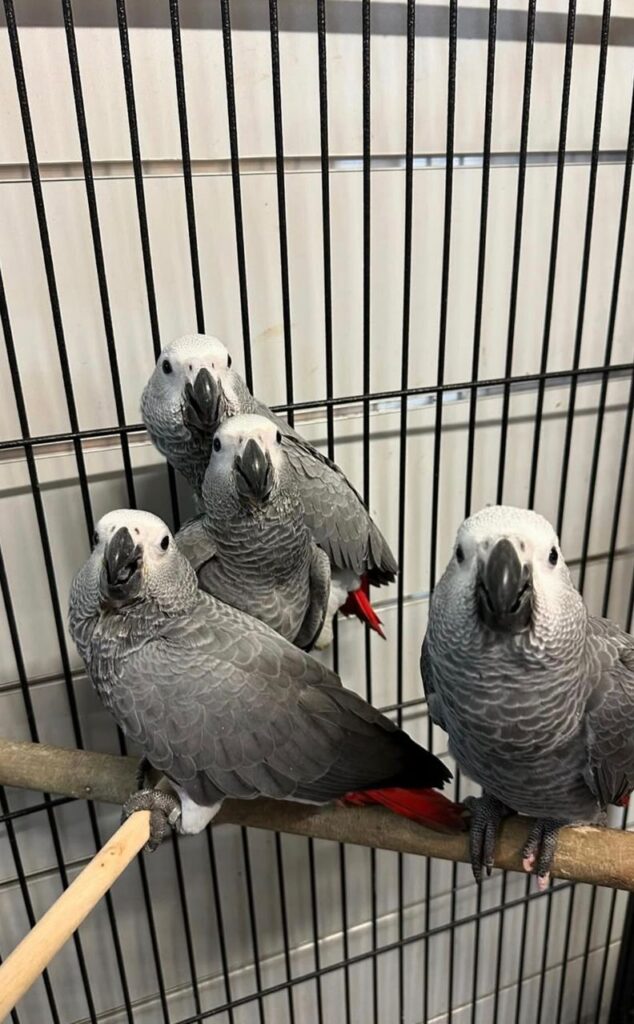
They are blind, featherless, and completely dependent on their parents. African Grey Parrot Facts, African Grey Parrot Natural Habitat, African Grey Parrot Size, African Grey Parrot Weight, African Grey Parrot Lifespan, African Grey Intelligence, African Grey Care Guide, Congo African Grey, Timneh African Grey, African Grey Parrot for Sale
One Month
At four weeks:
Eyes fully open
Pin feathers emerge
Weight exceeds 250 grams
Two Months
By eight weeks:
Nearly fully feathered
Learning balance
Beginning wing exercises
Three Months
Young birds begin flying and exploring.
Average weight:
350–450 grams
One Year
African Greys usually reach their full body size between:
12 and 18 months
Mental maturity, however, continues developing for several years.
Factors That Affect African Grey Parrot Size
Not every African Grey grows to exactly the same dimensions.
Several factors influence their final size.
Genetics
Birds from healthy breeding lines generally grow larger and stronger.
Responsible breeders prioritize:
healthy genetics
proper nutrition
disease-free bloodlines
Diet
Nutrition plays a significant role.
A balanced diet includes:
formulated pellets
vegetables
fruits
sprouts
healthy seeds
nuts in moderation
Poor nutrition may stunt growth or lead to obesity.
Exercise
Wild African Greys fly miles every day.
Pet birds require:
daily flying
climbing
toys
play gyms
Exercise strengthens muscles and maintains healthy body weight.
Veterinary Care
Regular health checkups detect:
parasites
infections
nutritional deficiencies
Healthy birds develop properly.
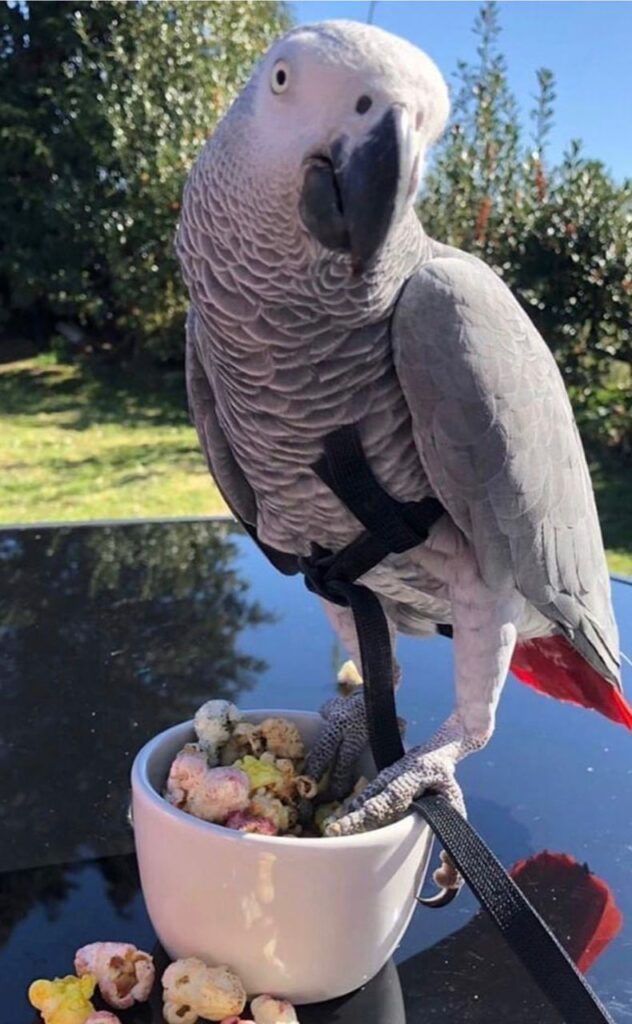
African Grey Parrot Facts You Should Know
African Grey parrots are celebrated not only for their beauty but also for their extraordinary intelligence. Here are some fascinating facts every prospective owner should know. African Grey Parrot Facts, African Grey Parrot Natural Habitat, African Grey Parrot Size, African Grey Parrot Weight, African Grey Parrot Lifespan, African Grey Intelligence, African Grey Care Guide, Congo African Grey, Timneh African Grey, African Grey Parrot for Sale
They Are Among the Smartest Birds in the World
African Greys are renowned for exceptional cognitive abilities. Research has shown that they can solve problems, recognize patterns, and even understand concepts such as shapes, colors, and numbers. Many experts compare their reasoning skills to those of a young child.
Outstanding Mimics
These parrots are famous for their ability to imitate human speech and household sounds with remarkable clarity. With consistent interaction and training, many African Greys can develop vocabularies of hundreds of words and use some phrases appropriately based on context.
Long Lifespan
African Grey parrots are a long-term commitment. With proper care, a healthy diet, and regular veterinary checkups, they commonly live 40–60 years, and some individuals have been known to live even longer.
Strong Emotional Bonds
African Greys thrive on companionship and often form deep attachments to their owners. They enjoy social interaction, mental stimulation, and daily routines. Birds left alone for extended periods may become bored or develop unwanted behaviors such as feather plucking.
Highly Curious
These parrots love to investigate their surroundings. Puzzle toys, foraging activities, and regular changes to their environment help keep them mentally engaged and prevent boredom.
Sensitive to Stress
African Greys can be sensitive to changes in their environment. Loud noises, abrupt routine changes, or a lack of enrichment may cause stress. A calm, stable home and positive reinforcement training contribute to their well-being. African Grey Parrot Facts, African Grey Parrot Natural Habitat, African Grey Parrot Size, African Grey Parrot Weight, African Grey Parrot Lifespan, African Grey Intelligence, African Grey Care Guide, Congo African Grey, Timneh African Grey, African Grey Parrot for Sale
African Grey Parrot Natural Habitat
Understanding where African Grey parrots come from helps owners recreate a healthy environment in captivity.
Native Range
African Grey parrots are native to the tropical forests of West and Central Africa. Their range includes countries such as:
Cameroon
Ghana
Ivory Coast
Democratic Republic of the Congo
Republic of the Congo
Uganda
Kenya (some populations)
They inhabit areas rich in mature trees that provide food sources and nesting sites.
Preferred Environment
These parrots typically live in:
Dense rainforests
Forest edges
Mangroves
Woodland savannas
Riverine forests
Tall trees offer protection from predators and suitable cavities for nesting.
Diet in the Wild
African Greys consume a varied diet that changes with seasonal availability. Common foods include:
Fruits
Seeds
Nuts
Berries
Palm fruits
Flowers
Leaf buds
Bark
Occasionally insects and snails
Their diverse natural diet supports strong immune systems and healthy feather development.
Social Structure
Wild African Greys are highly social birds. They are often observed:
Flying in pairs
Traveling in family groups
Gathering in large flocks at feeding sites
Roosting communally in tall trees
Living in groups helps them locate food and avoid predators.
Threats in the Wild
Despite their adaptability, African Grey populations face several challenges:
Habitat loss from deforestation
Illegal trapping for the pet trade
Climate change
Human encroachment
Unsustainable logging
These threats have contributed to declining wild populations, making responsible and ethical breeding increasingly important.
Caring for an African Grey Based on Their Size and Natural Needs
Knowing the size and natural behaviors of African Grey parrots helps owners provide appropriate care.
Spacious Housing
A medium-to-large parrot requires ample room to stretch its wings, climb, and play. Choose a sturdy cage with generous interior space and horizontal bars that encourage climbing. Whenever possible, provide supervised out-of-cage time every day. African Grey Parrot Facts, African Grey Parrot Natural Habitat, African Grey Parrot Size, African Grey Parrot Weight, African Grey Parrot Lifespan, African Grey Intelligence, African Grey Care Guide, Congo African Grey, Timneh African Grey, African Grey Parrot for Sale
Balanced Nutrition
Offer a high-quality pelleted diet as the primary food source, supplemented with fresh vegetables, leafy greens, fruits, and occasional healthy nuts. Avoid foods that are toxic to parrots, such as chocolate, avocado, caffeine, alcohol, and onions.
Mental Enrichment
Because African Greys are exceptionally intelligent, they benefit from:
Puzzle feeders
Foraging toys
Rotating enrichment items
Training sessions
Safe chew toys
Social interaction with family members
Exercise
Daily activity is essential for maintaining a healthy weight and strong muscles. Encourage climbing, flying in a safe space, and interactive play to support both physical and mental health.
Routine Veterinary Care
Schedule regular checkups with an avian veterinarian to monitor weight, nutrition, feather condition, and overall health. Early detection of health issues often leads to better outcomes.
Is an African Grey the Right Bird for You?
African Grey parrots are extraordinary companions, but they are not the ideal pet for everyone.
They are best suited for owners who can provide:
Daily interaction and socialization
Consistent training using positive reinforcement
Mental stimulation through toys and activities
A nutritious, varied diet
Regular veterinary care
Patience and long-term commitment
If you can meet these needs, an African Grey can become a loyal, affectionate companion for decades.
When choosing a bird, look for one that has been responsibly bred, properly weaned, well-socialized, and health-checked. Ethical breeders prioritize the welfare of their birds and provide valuable guidance to new owners.
Conclusion
African Grey parrots grow to an average length of 10–14 inches, depending on whether they are Timneh or Congo African Greys, and typically weigh 275–550 grams as adults. Their impressive intelligence, remarkable ability to mimic speech, and long lifespan make them one of the most captivating companion parrots in the world.
Understanding their natural habitat in the forests of West and Central Africa, along with their dietary and social needs, enables owners to provide environments that support healthy, fulfilling lives. By offering spacious housing, balanced nutrition, regular exercise, mental enrichment, and responsible veterinary care, you can help an African Grey thrive for many decades.
Whether you’re researching these remarkable birds or considering welcoming one into your home, learning about their size, fascinating characteristics, and natural behaviors is the first step toward becoming a knowledgeable and responsible parrot owner.